 Supporting The Fight

 CALL US NOW
 EMAIL US NOW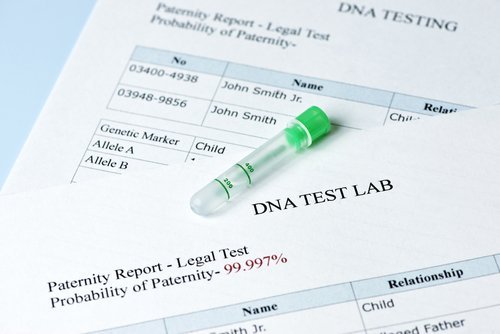
When a relationship comes to an end and there is a child involved, the stakes are high. A father might find himself on the hook for thousands of dollars of child support payments. In other cases, he might find himself fighting for visitation rights. In either situation, there could be a paternity dispute. Resolving that dispute isn’t as easy as you might imagine. Learn everything that you should know about the process of resolving a paternity dispute.
When Does a Paternity Dispute Occur?
A paternity dispute is an argument about the identity of the father of a child. Although you might think that finding a father is as simple as a paternity test, the issue isn’t always as simple. Sometimes, the father is not the biological father of a child. He could be an individual who did not conceive the child, but agreed to raise her. Additionally, there are other situations that could make the identity of the father less obvious.
If you and your partner have a paternity dispute, then there is a lot at stake. However, the stakes vary depending on your circumstance. For example, you could be an unwed father who never got his name on a birth certificate. If you want visitation rights to your child, then you need to go to court and prove your paternity. However, paternity disputes aren’t always about visitation and custody.
Sometimes, the disputes are about child support. If you are not the father of a child, then you don’t need to pay child support. During some divorces and splits, one partner feels that he is not responsible for child support because he is not the father. This is a common cause of a paternity dispute.
How Does the Court Handle it?
In some situations, resolving a paternity dispute is as simple as taking a DNA test. A judge could require an individual to take a paternity test. If he is the biological father, then the judge can make a decision based on that fact.
However, a blood test does not resolve every paternity case. An individual can be a father even if he is not the biological father. While this can happen, it is a complex situation and can result in a legal battle. It’s up to lawyers to prove whether or not an individual is the legal father of a child.
Types of Paternity Disputes
Paternity disputes usually fall into one of three main categories. Here is a closer look at those categories:
1. A dispute involving a presumed father
In many situations, the presumed father is the biological father of a child. But it is not limited to this. If two partners were married at the time a child was born or conceived, then the man is the presumed father. Another possibility is that the man married the mother after the child’s birth and he wanted to support the child. Even if the man never married the woman, he is the presumed father if he openly brought the child into his home and treated that child as a son or daughter.
2. Equitable Father
This is one of the types of disputes that do not involve a biological father. When an individual has a close relationship with a child and the parents encourage that relationship, the man is an equitable father. In a custody battle, the man would have a right to some basic custody rights. However, this is only true in states that recognize equitable fathers. Some states don’t allow for this.
3. Unwed Father
Marriage is not necessary for an individual to gain status as a father. However, not marrying the child’s mother could hurt your custody rights. In some state, unwed fathers have limited rights. It often takes a legal battle to gain the rights that an unwed father deserves.
Handling Your Case
There is no simple guide that can tell you how to handle your paternity dispute. Because every case is different, every case requires a different strategy. If you find yourself about to undergo a paternity dispute, you should contact a lawyer.
With the help of a lawyer, you can navigate your case. You can learn what you should do and say to get a better outcome. Additionally, you can learn more about the legal process that you will undergo. A lawyer can make the situation seem much less challenging and stressful.
Whether you want to challenge your paternity or prove it, your first step should be finding an experienced child custody lawyer. Then, you can get started with the legal proceedings. Your lawyer can come up with a strategy to get you the ideal outcome. For example, she might prove that there was fraud at the lab testing facility. Whatever the situation, your lawyer can help.
With so much at stake, you shouldn’t take your paternity dispute lightly. Contact a lawyer and learn what she can do to help you.


