 Supporting The Fight

 CALL US NOW
 EMAIL US NOW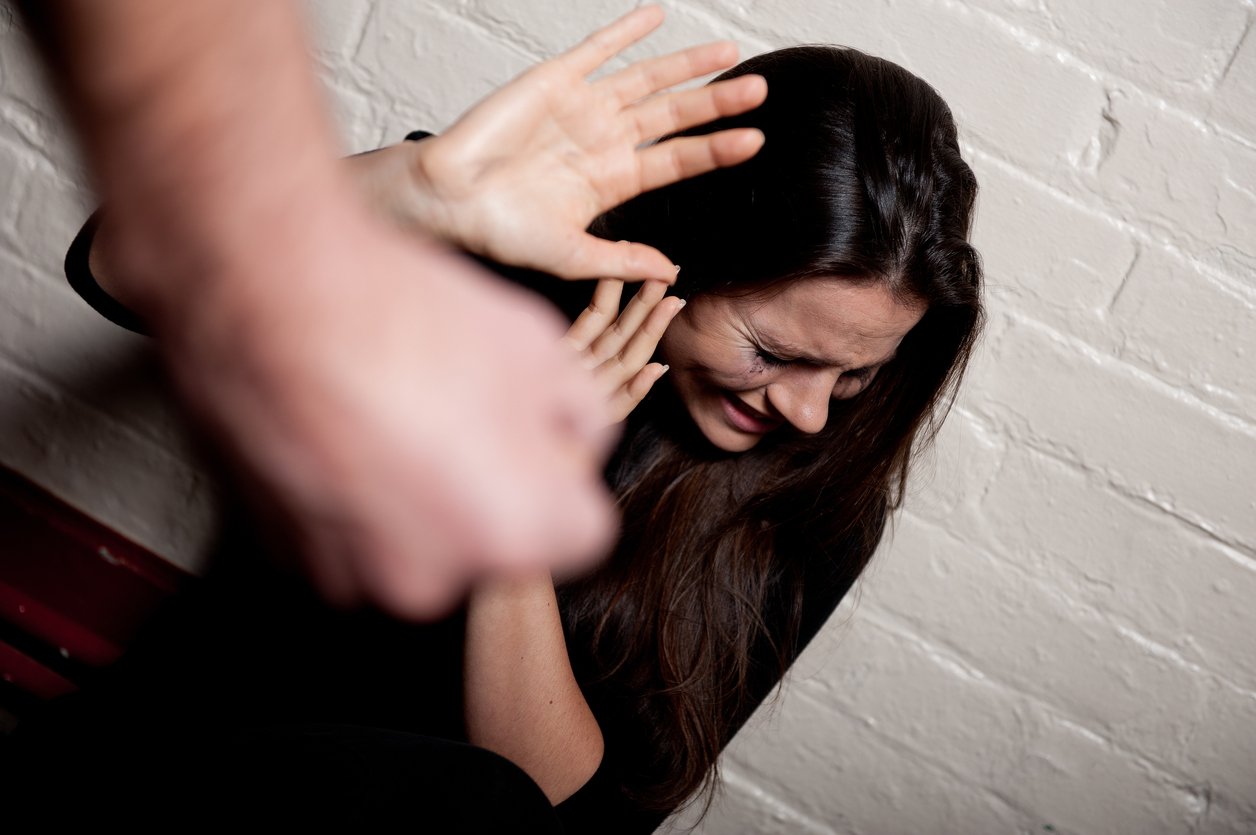
In 1994, the US Congress passed the Violence Against Women Act. Prior to the bill, women had little protection from crimes like domestic abuse and rape. They also had almost no access to services that could help them recover from such crimes. But the Violence Against Women Act (VAWA) changed things. It gave women protection and resources. Over time, the bill expanded to provide that protection and those resources to all women – including immigrants. Learn about the history of VAWA and how the bill protects the rights of female immigrants.
Understanding the Violence Against Women Act
Violence against women has been a part of society for centuries. Although it still occurs, the US has made several steps forward in the protection of women and the prevention of such crimes. VAWA was the first federal bill to attempt to end violence against women. After decades of silence, the US government admitted that crimes against women were out of control by passing the bill.
Women have been victims of crimes like sexual assault for too many years. Unfortunately, the federal government did little to protect them. The responsibility went to individual states. However, some states failed to protect them. When a man committed a crime like domestic abuse, there were minor consequences, if any. Abuse was all too frequent.
VAWA changed things for women. Instead of making protection a state issue, it gave the federal government the power to protect women who were victims of violence. For example, the law made battery illegal in all of the states. Before the Violence Against Women Act, some states allowed battery. As a comprehensive piece of legislature, VAWA included other laws. The laws all had the intention of protecting women. The bill also made every state honor protection orders against individuals. As a result, it stopped abusers and stalkers from pursuing victims in other states.
VAWA offered a great deal of protection to women. But it was about more than protection. It was also about the prevention of violent crimes and helping women recover.
Prevention and Recovery
The first version of VAWA wasn’t perfect. Although it afforded women some protection, it did little for preventing crimes against women and helping women recover from them. As VAWA evolved over the years, it grew to include preventative measures and to offer recovery services. With some of the provisions in VAWA, victims of rape could get access to services they needed to start the healing process. They also got the help they needed in filing charges against their attackers.
With such provisions, a VAWA is charge is very different from a simple assault charge. In protection orders, victims usually need to pay for certain fees. However, VAWA waives those fees. It makes it easier for victims to take criminal action against their abusers. And it does so everywhere in the US; it’s not reserved for certain states. As federal legislation, the bill makes the US a safer place for women.
Immigrants and VAWA
In the first version of VAWA, there was no focus on helping female immigrants. However, that was a mistake. Immigrant women were and still are often victims of abuse. As immigrants, they often suffered at the hands of abusers but did nothing for fear of deportation. Women remained in abusive relationships because they did not see any other option.
Over time, advocates realized that female immigrants needed and deserved help. Mail order brides found themselves stuck in a cycle of violence. Working immigrant women found themselves raped and battered by their employers. However, they had no one standing up for them. Advocates realized that immigrant victims did not want to lose their immigration status. So, they advocated for some changes in the Violence Against Women Act. If immigrant victims had security in their immigration status, they might be more willing to file charges.
As more people spoke up about the problems facing female immigrants, the government decided to make some changes. They expanded the bill to include protection for female immigrants. In addition to protection, the bill offered more services to immigrants who were victims. These changes meant that immigrant women could get protection from their abusers without the fear of deportation. With help from the federal government, immigrants could speak up about their abuse.
How does the bill protect immigrants?
There are a few ways that VAWA now protects immigrants. Consider this example. You are a non-citizen who married a US citizen. However, your husband physically abuses you. If you file charges under VAWA, you can self-petition for a green card. This allows you to get legal status without the help of your abusive husband. Instead of divorcing him and facing deportation, you can get a divorce and remain in the US.
There are several other ways that VAWA can help.
If you have been charged with domestic violence or rape the best thing that you can do is to speak to a lawyer. With the help of a lawyer, you can find out which options are available to you.


